
GCSE Astronomy is now a 2 year course, weighted by 2 papers, paper one, unaided (without a telescope), paper 2 aided (with a telescope). There is also the requirement to complete at least 2 observational tasks which we will sign off (subject to satisfactory completion). Please not, these are NOT directly assessed by the examiner, but they DO need to be completed before the exam can be sat,
All learners on enrolment are provided
-
An welcome letter
-
Assigned course adviser
-
Logging in details to the portal
-
Login to a remote telescope
-
Downloadable worksheets
-
Hard (and soft) copy textbook
-
Tutor support (via email)
-
Prompt email support
-
Signing off of Observational Tasks
-
Guidance on exam centres
-
NEW some pre recorded Video Tutorials
-
Access to videos on past paper questions
In addition to the above, we also include with the monthly subscription
-
Access to previous years webinars
-
Video reviews of past exam paper questions (and how to answer them)
-
Exam technique
-
Maths for GCSE Astronomy
-
Well being content
Please note this does NOT include access to the live webinars, these are an optional extra.
Paper One - Naked Eye Astronomy
Written examination: 1 hour and 45 minutes 50% of the qualification 100 marks
Assessment overview:
A mixture of different question styles, including multiple-choice questions, short-answer questions, calculations, graphical and extended- open-response questions.
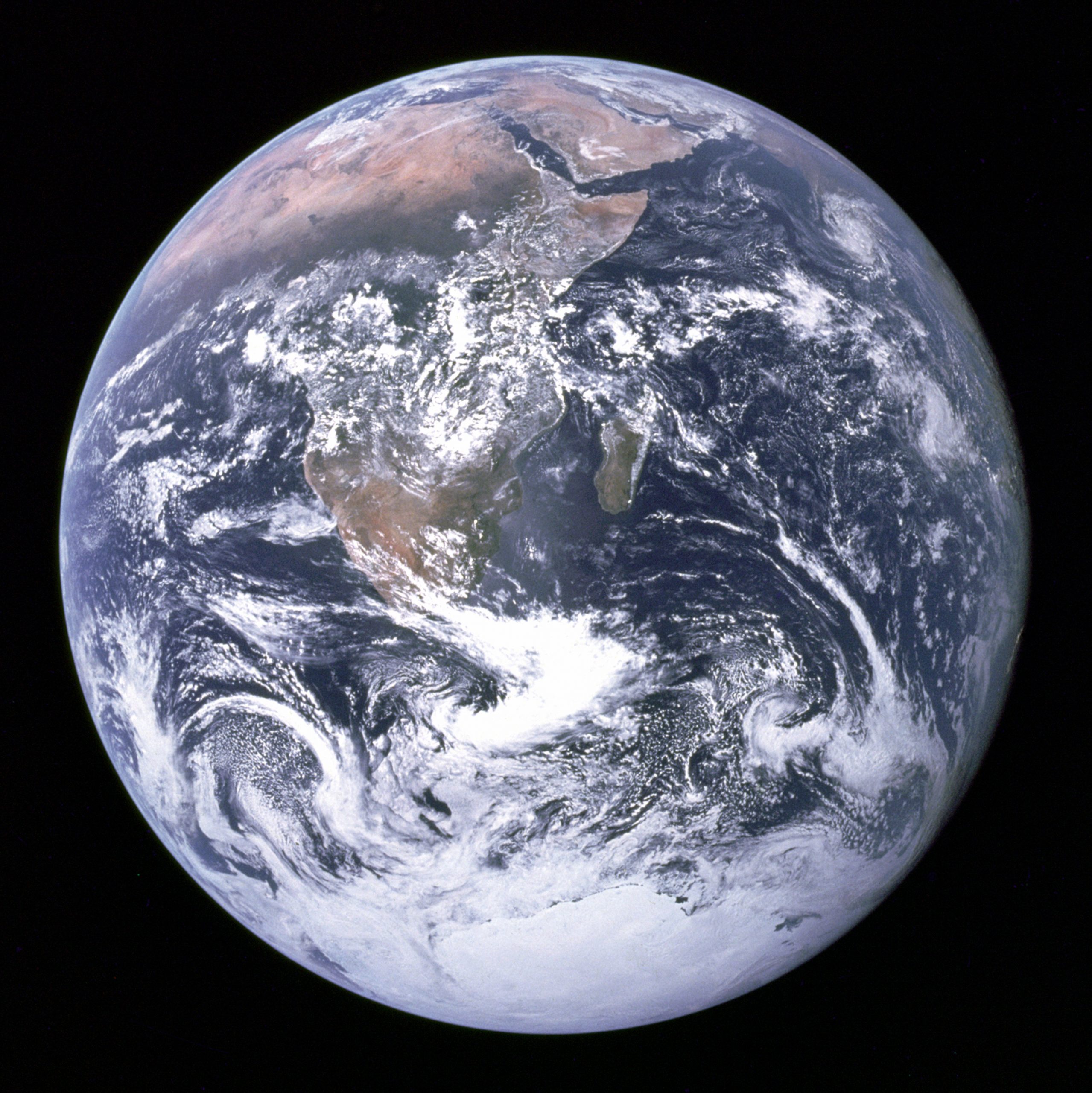
Topic 1 – Planet Earth
Students will learn about the planet Earth and its internal structure. They will learn about the major divisions on Earth’s surface and how its atmosphere affects observations.
Image Credit: Wiki Commons
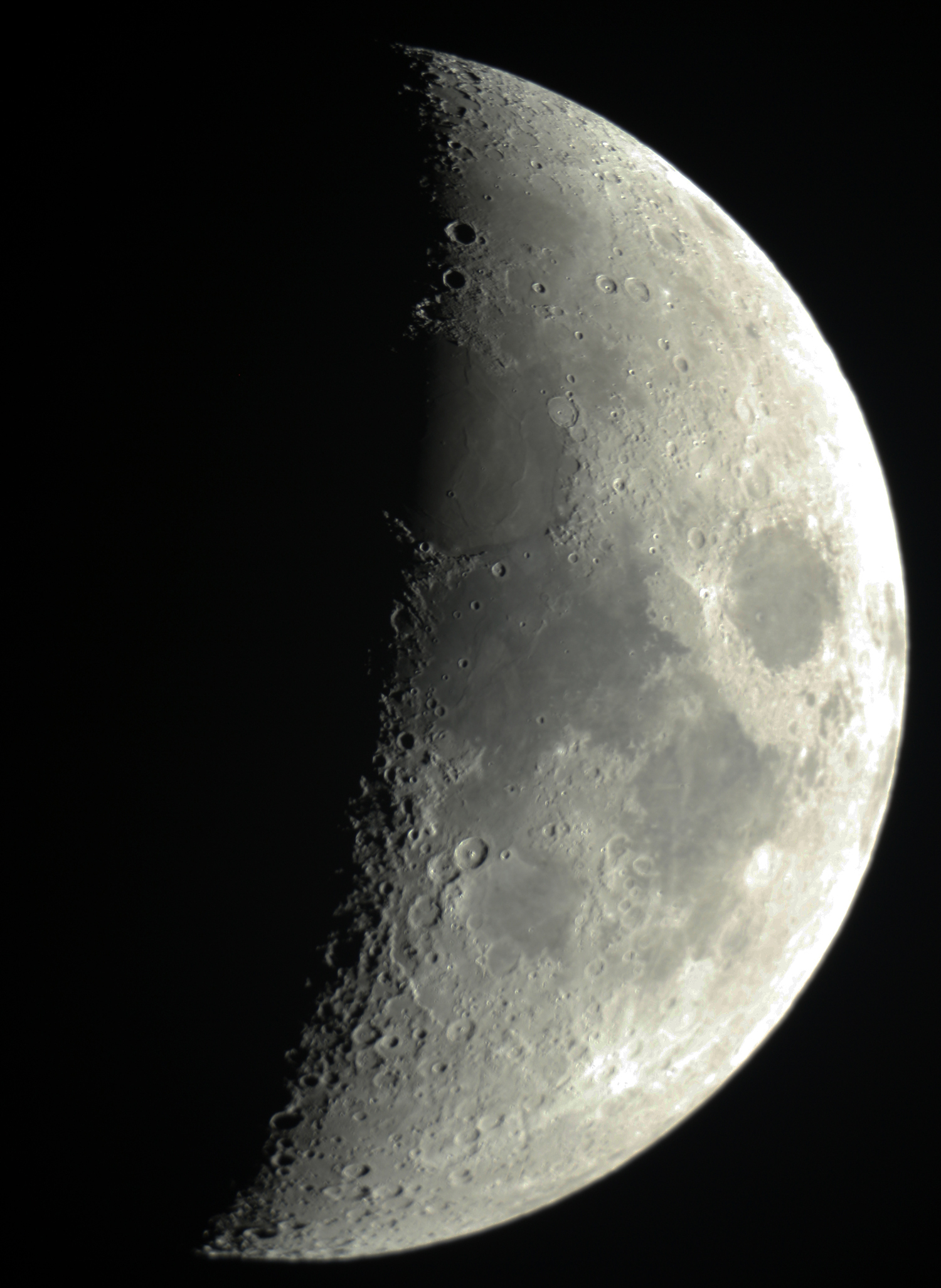
Topic 2 – The lunar disc
Students will learn about the Moon and its surface features, and be able to
identify some of the main features on its surface. Students will study the rotation and revolution of the Moon and the effect of libration.
Image credit: Alastair Leith - Northampton
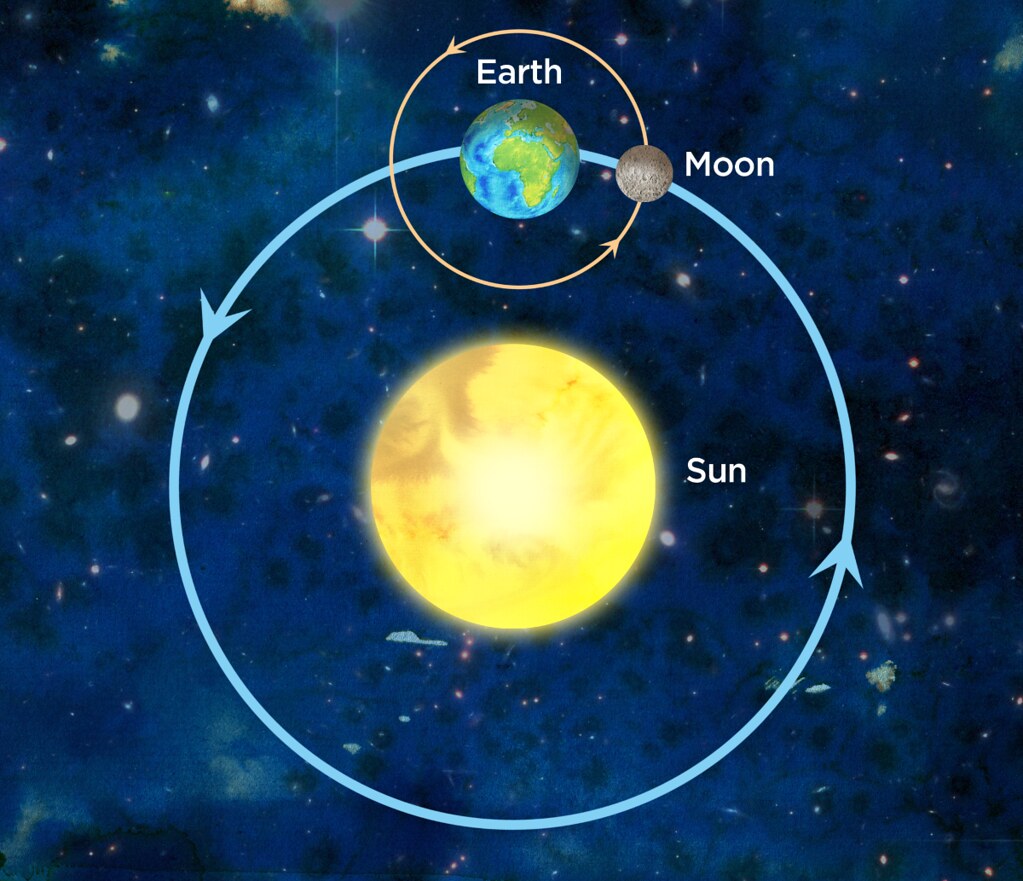
Topic 3 – The Earth-Moon-Sun system
Students will learn about the relationship between the Earth, Moon and Sun and how they affect each other. They will also study tides, precession and eclipses.
Image credit: https://www.flickr.com/photos/121935927@N06/13598100735
Topic 4 – Time and the Earth-Moon-Sun cycles
Students learn of astronomical definitions and measurements of time.
They will study synodic and sidereal time, solstices and equinoxes and the need for time zones.
Image Credit: Wiki Commons
Topic 5 – Solar System observation
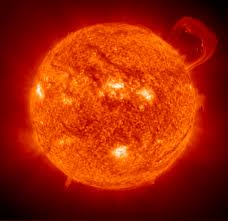
Students will understand how to observe the Sun and planets, including the locations of the planets in relation to the Earth and the Sun and safely observing the Sun.
Image Credit: Nasa
Topic 6 – Celestial observation
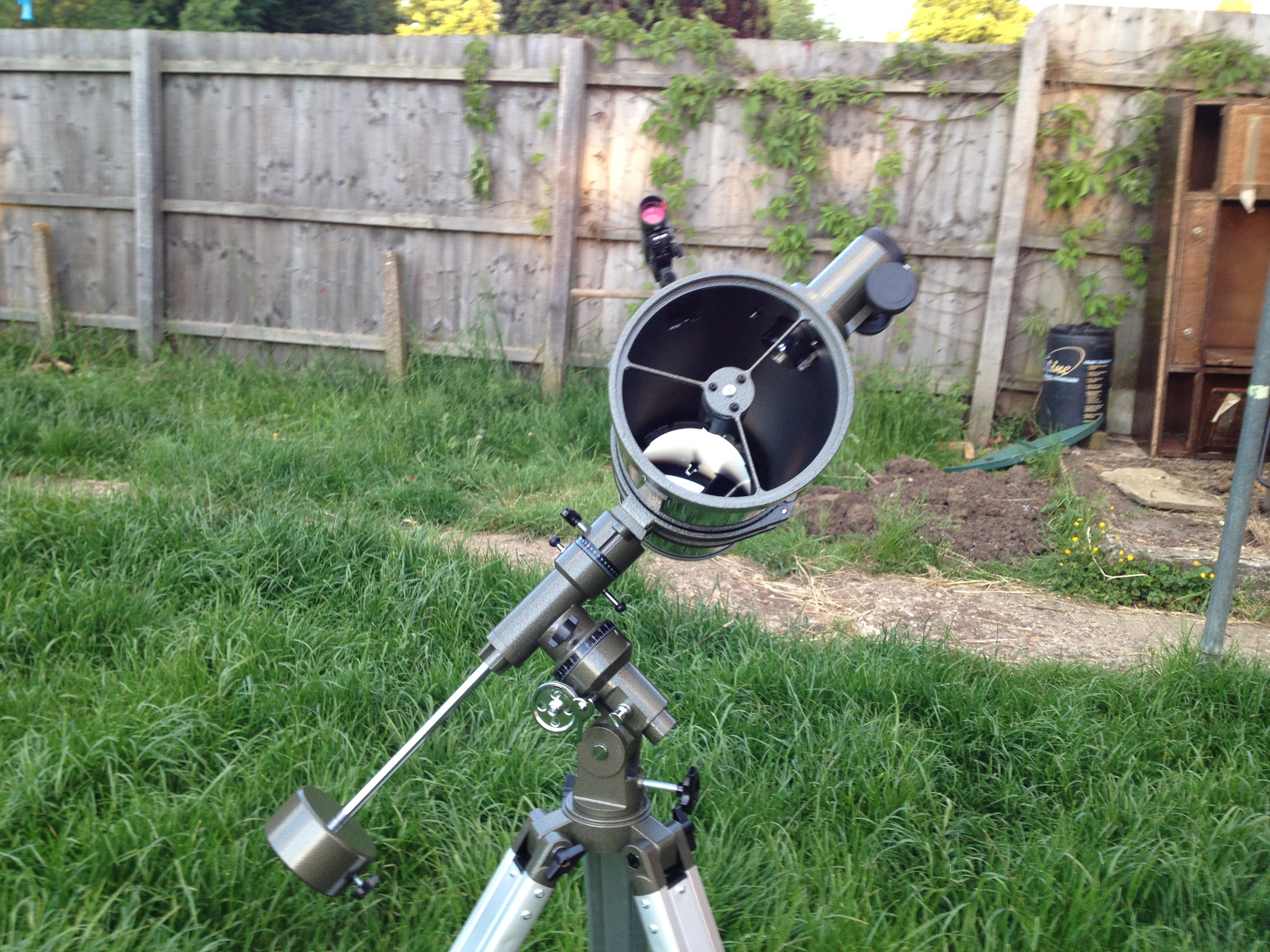
Students will understand of how to observe a variety of naked-eye astronomical phenomena. They will study how to plan their observations to be at the best time and location, taking into account effects such as weather and light pollution.

Topic 7 – Early models of the Solar System
Students will gain an understanding of how ancient civilisations observed the Solar System. They will also study how early astronomers modelled the Solar System.
Image Credit: Wiki Commons
Topic 8 – Planetary motion and gravity
Students will gain an understanding of the motion of the planets around the Sun and the role of gravity. They will study Kepler’s laws of planetary motion and Newton’s law of universal
gravitation.