
It is worth mentioning at this point that while we offer our learners a small database of exam centres who work with us and accept our observational task sign offs, learners are welcome to use their own. Please also note we do not take commission from exam centres and have no direct involvement. Learners engage exam centres at their own risk
There are another 8 topics to complete
Paper 2 - Telescopic Topics
Written examination: 1 hour and 45 minutes 50% of the qualification 100 marks
Assessment overview:
A mixture of different question styles, including multiple-choice questions, short-answer questions, calculations, graphical and extended- open-response questions.
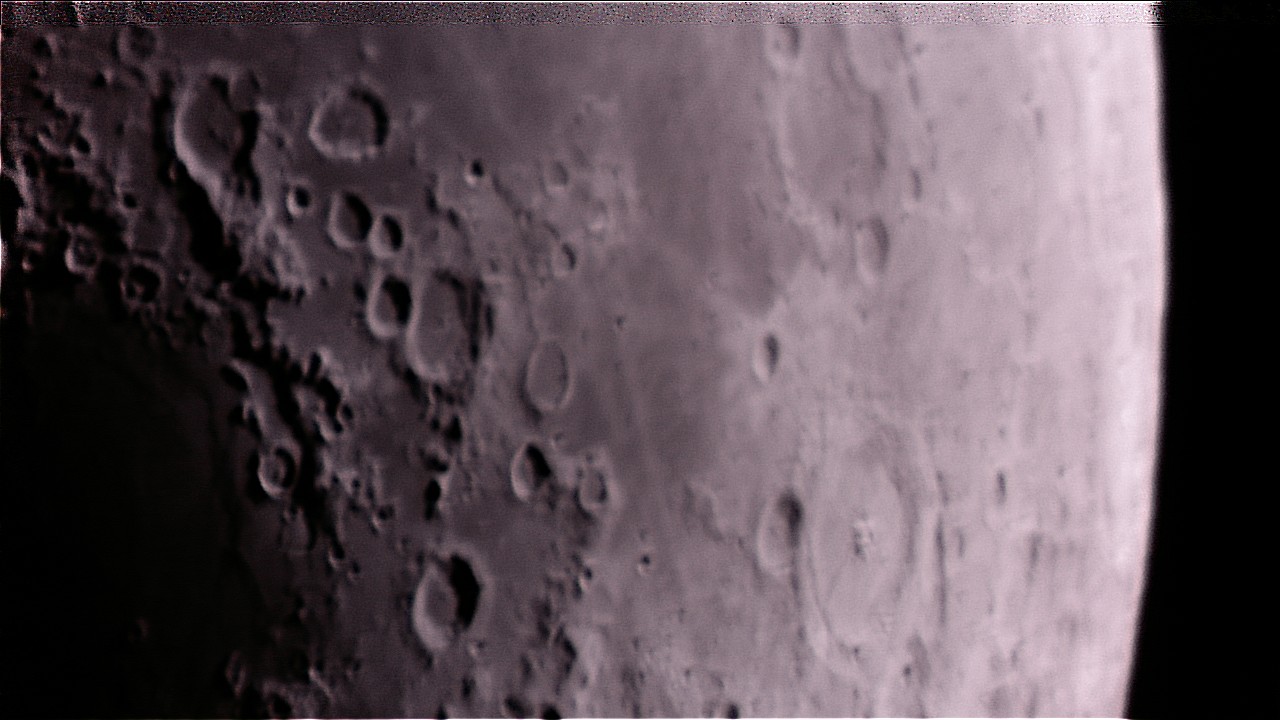
Topic 9 – Exploring the Moon
Students will understand the Moon, its internal structure and features on the far side. They will study how the constant drive to improve the accuracy, detail and range of
observations has provided a context for the exploration of the Moon.
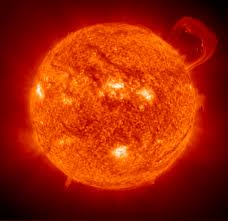
Topic 10 – Solar astronomy
Students will gain an understanding of the structure of the Sun, its energy production process and the solar wind. Students will also use sunspot data to determine information about the Sun’s rotation period and the solar cycle.
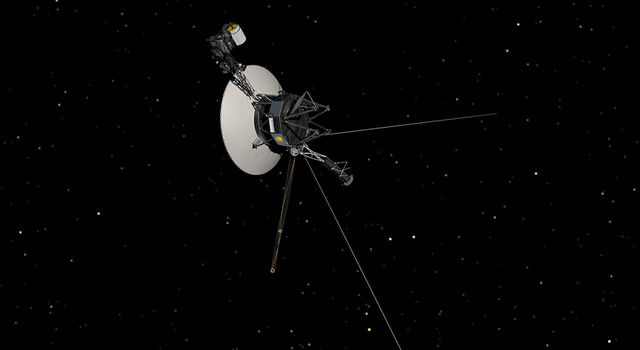
Topic 11 – Exploring the Solar System
Students will investigate the main bodies in the Solar System and their characteristics. They will gain understanding that the constant drive to improve the accuracy, detail and range of observations has provided a context for the invention of the telescope, the development of the space telescope and probes to the outer reaches of our Solar System and has provided a context for the manned exploration of the Moon.
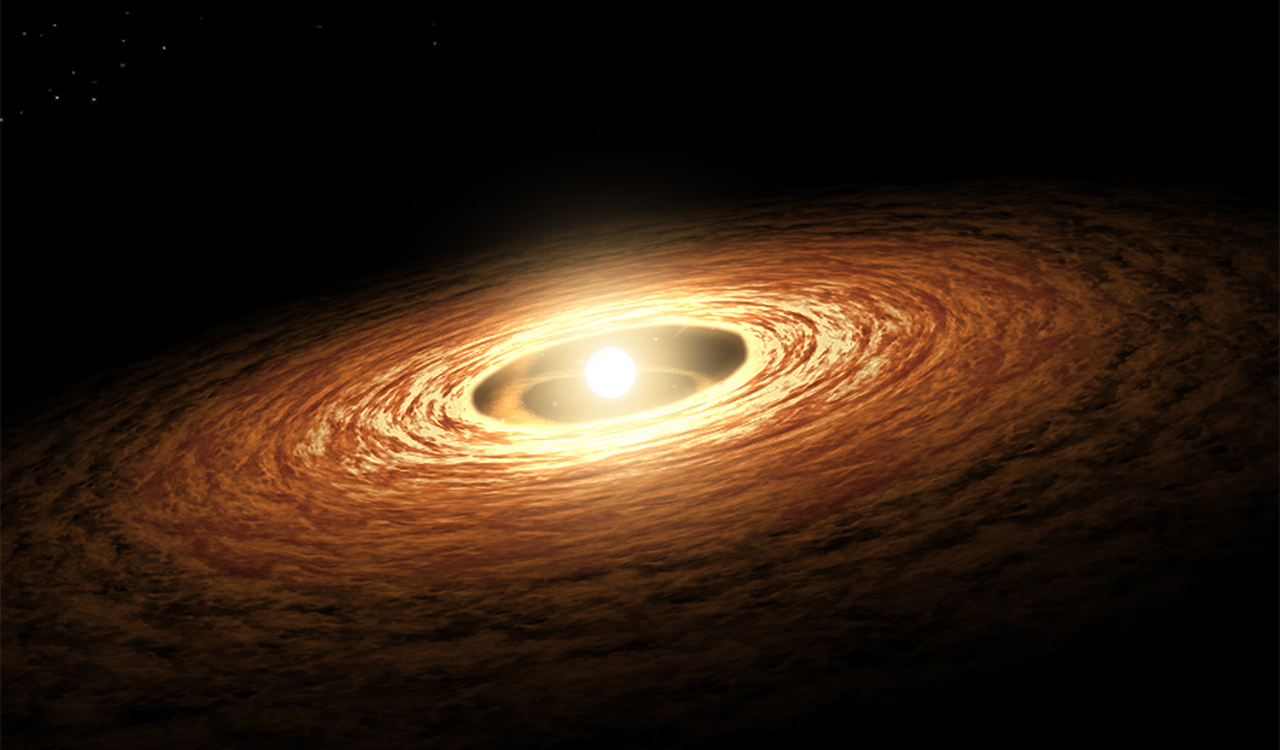
Topic 12 – Formation of planetary systems
Students will gain an understanding of how the interaction of gravitational and tidal forces
led to the formation of our Solar System. They will use this information to study exoplanets
and also the possibility of life existing elsewhere.
Image credit: Nasa
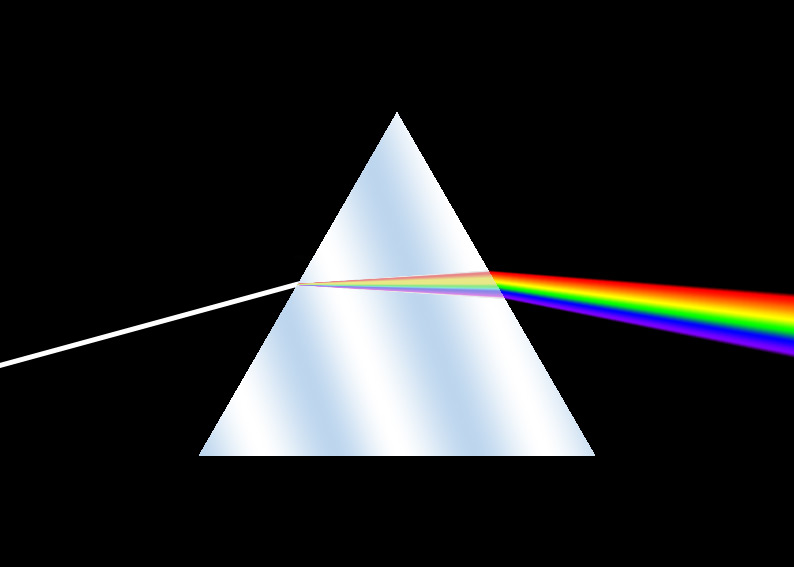
Topic 13 – Exploring starlight
Students will gain an understanding of how stars are observed and how we can obtain information about them from just observing the light they emit. They will study the evolution of stars and different types of stars. Students will also find out why we observe stars in
different parts of the electromagnetic spectrum and where telescopes are located to enable better observations to be made.
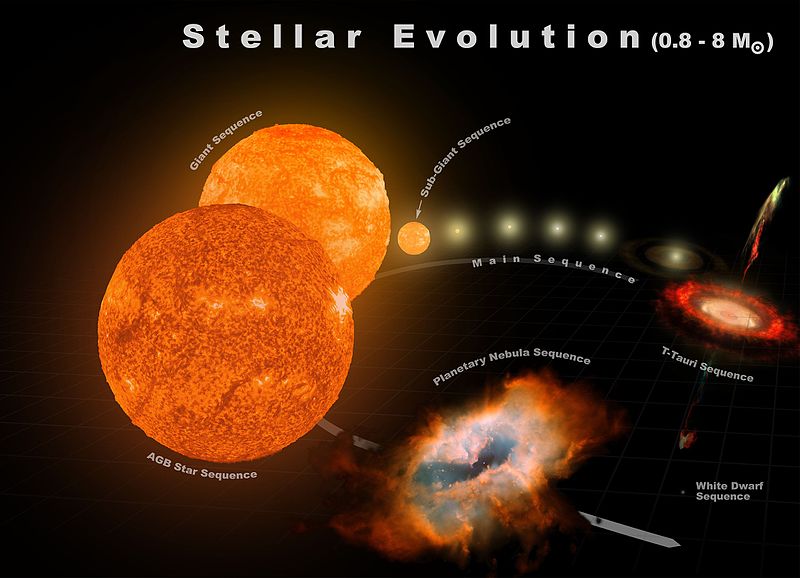
Topic 14 – Stellar evolution
Students will gain an understanding of how and why stars evolve. They will study how stars
form and how they end their life, depending on their size.
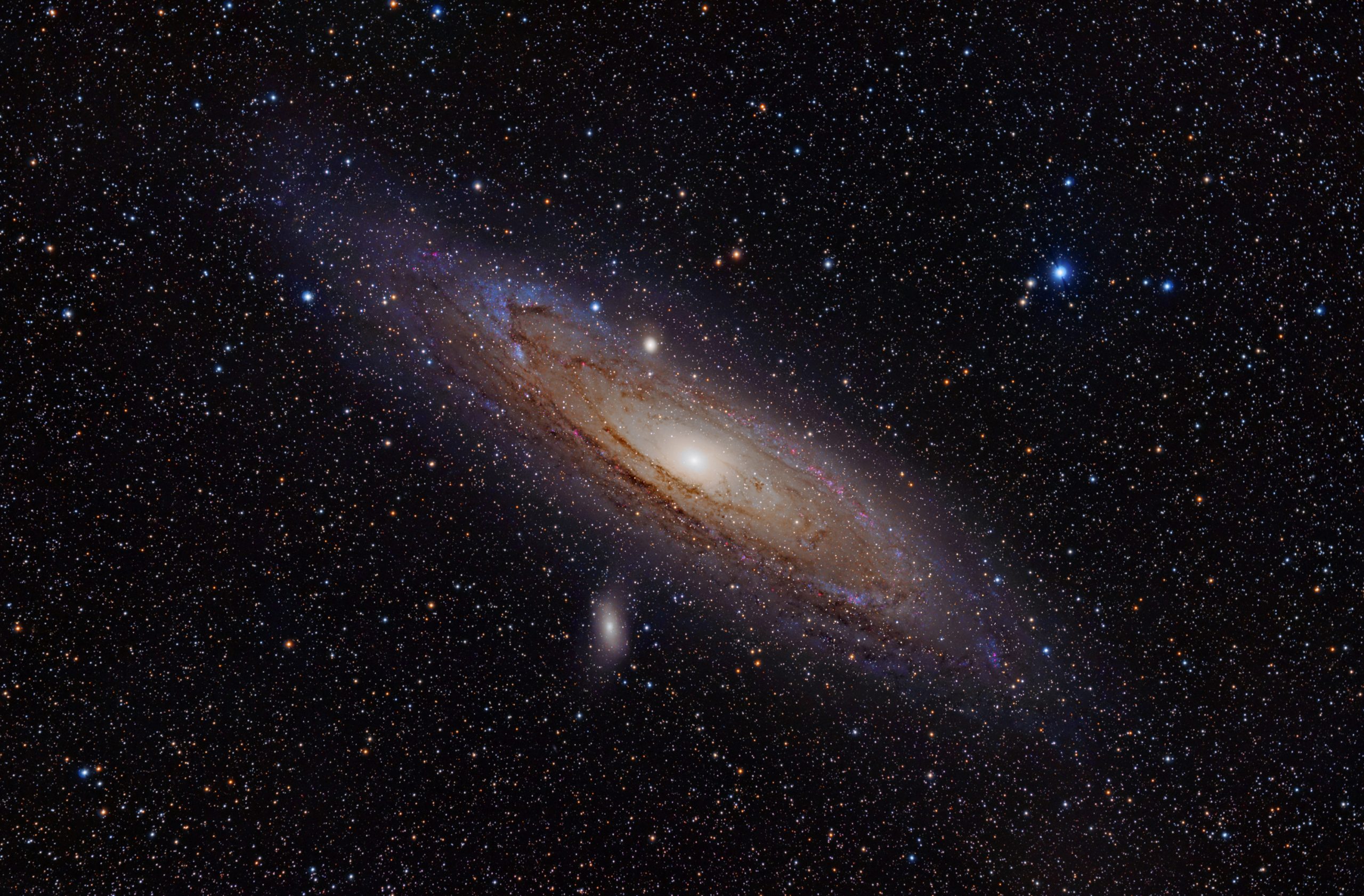
Topic 15 – Our place in the Galaxy
Students will gain an understanding of the Milky Way, our place in it and how it fits into the
Universe. They will study different types of galaxies and the main theories for their evolution.
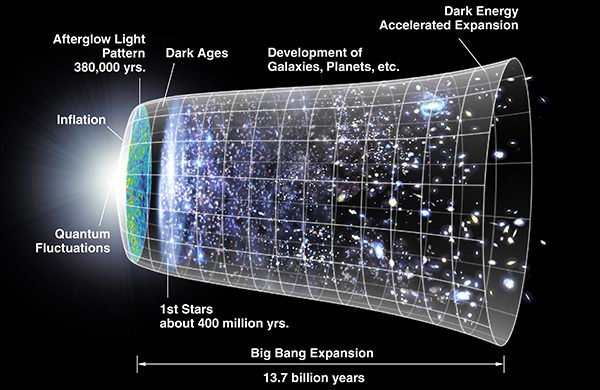
Topic 16 – Cosmology
Students will gain an understanding of redshift and Hubble’s law for distant galaxies. They will also study the evidence and explanation for the expanding Universe. Students will
explore dark matter and dark energy and the possible fate of the Universe.